Mumps is a viral infection that primarily affects the salivary glands, causing them to swell and resulting in symptoms like fever, headache, and fatigue. While it was once a common childhood illness, widespread vaccination has significantly reduced its prevalence. However, outbreaks still occur, and understanding the disease is crucial for prevention and management.
Must Read: HALYARD Sequential Sterilization Wrap
What is Mumps Disease?
Mumps is caused by the mumps virus, a member of the paramyxovirus family. It spreads through respiratory droplets or direct contact with an infected person's saliva. The virus can survive on surfaces for several hours, making it highly contagious.
Mumps Disease Signs & Symptoms
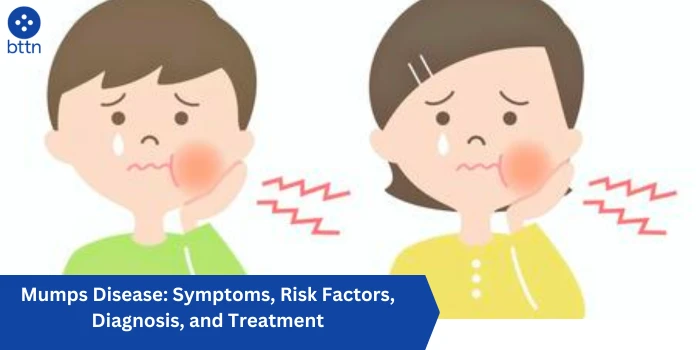
The hallmark symptom of mumps is swollen salivary glands, which typically occur on one or both sides of the face, giving the characteristic "chipmunk cheeks" appearance. Other common symptoms include:
- Fever
- Headache
- Muscle aches
- Fatigue
- Loss of appetite
- Pain while chewing or swallowing
Symptoms usually appear 12 to 25 days after exposure to the virus and can last for up to 10 days.
Must Read: Heart Health in Winter: A Guide to Navigating the Cold for a Resilient Heart
Mumps Risk Factors
Anyone can contract mumps if they are exposed to the virus. However, certain factors can increase the risk:
- Lack of vaccination: Individuals who have not received the measles, mumps, and rubella (MMR) vaccine are more susceptible to mumps.
- Close contact: Living in crowded environments or being in close proximity to an infected person increases the likelihood of transmission.
- Age: Mumps is more common in children aged 5 to 15, but unvaccinated adults can also be affected.
Mumps Disease Diagnosis
A healthcare provider can diagnose mumps based on clinical symptoms, especially the characteristic swelling of the salivary glands. In some cases, they may order laboratory tests, such as a viral culture or polymerase chain reaction (PCR) test, to confirm the diagnosis.
Must Read: Iron Pills: Side Effects and Benefits of Supplements for Optimal Health
Mumps Disease Treatment
Currently, there is no specific antiviral treatment for mumps. Treatment focuses on relieving symptoms and preventing complications. This may include:
- Pain relievers: Over-the-counter medications like acetaminophen or ibuprofen can help reduce fever and relieve pain.
- Rest and fluids: Adequate rest and staying hydrated can support the body's immune response.
- Cold compresses: Applying cold packs to the swollen glands can help reduce inflammation and discomfort.
In severe cases or complications, hospitalization may be necessary for supportive care.
Mumps Disease Recovery and Aftercare
Most people recover from mumps without complications within a few weeks. During recovery, it's essential to:
- Get plenty of rest
- Stay hydrated
- Avoid contact with others to prevent spreading the virus
Once recovered, individuals are usually immune to mumps for life.
Must Read: 7 Ways Healthcare Organizations Are Solving Staffing Challenges
Mumps Disease Complications
While complications from mumps are rare, they can occur and may include:
- Orchitis: Inflammation of the testicles in males, which can lead to infertility in rare cases.
- Meningitis: Inflammation of the membranes surrounding the brain and spinal cord.
- Encephalitis: Inflammation of the brain tissue.
- Deafness: Rarely, mumps can cause permanent hearing loss.
Mumps Disease Prevention
The most effective way to prevent mumps is through vaccination. The MMR vaccine provides immunity against measles, mumps, and rubella and is typically administered in two doses:
- The first dose at 12 to 15 months of age
- The second dose at 4 to 6 years of age
Additionally, practicing good hygiene, such as frequent handwashing and avoiding sharing utensils or drinks, can help reduce the risk of mumps transmission.
Can Mumps be Contracted Twice?
In general, contracting mumps once usually confers lifelong immunity. However, rare cases of reinfection or breakthrough mumps can occur, especially if vaccine-induced immunity wanes over time. If you suspect you have mumps again, consult a healthcare provider for evaluation.
Final Word
Mumps, while less common today due to vaccination efforts, still poses a risk, especially to unvaccinated individuals. Understanding the symptoms, risk factors, and prevention strategies is essential for staying healthy and protecting others from infection. If you experience symptoms of mumps or have concerns about vaccination, seek medical advice promptly.
Must Read: How to Choose the Right Doctor for You
FAQs
1. Can adults get mumps?
Yes, adults can get mumps if they have not been vaccinated or previously infected with the virus.
2. Is the MMR vaccine safe?
Yes, the MMR vaccine is safe and highly effective. Serious side effects are rare.
3. How long is a person with mumps contagious?
A person with mumps is contagious from a few days before symptoms appear to about five days after the onset of swelling.
4. Can pregnant women get the MMR vaccine?
Pregnant women should not receive the MMR vaccine. If you are pregnant or planning to become pregnant, consult your healthcare provider for guidance.
5. Can mumps cause infertility?
In rare cases, mumps can cause orchitis, inflammation of the testicles in males, which may lead to infertility. However, the risk is low.
Purchase medicine for these: If you experience symptoms of mumps or suspect you have been exposed to the virus, consult a healthcare provider for evaluation and appropriate treatment. Over-the-counter medications may help alleviate symptoms, but it's essential to seek medical advice for proper management, especially in severe cases or complications.
In conclusion, mumps is a contagious viral infection that can lead to uncomfortable symptoms and, in rare cases, serious complications. Vaccination remains the most effective way to prevent mumps and its complications. By staying informed and following preventive measures, you can protect yourself and others from this infectious disease.