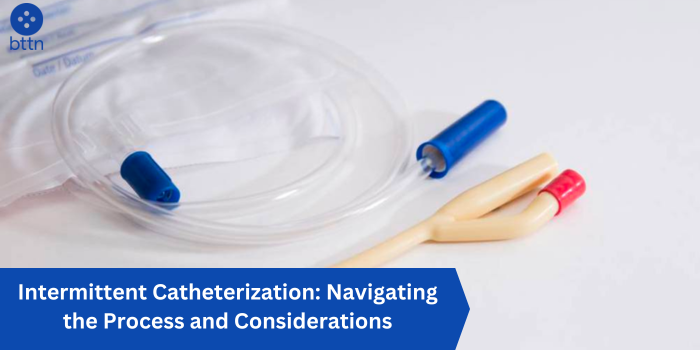
Navigating the World of Intermittent Catheterization: Benefits, Usage, and Considerations
In our journey towards understanding healthcare options, intermittent catheterization emerges as a topic that's crucial for many individuals. Whether you're a patient, caregiver, or someone simply curious about medical interventions, this blog aims to shed light on the benefits, usage, and considerations surrounding intermittent catheterization.
Must Read - Shop Urethral Catheter at Wholesale Prices - Bttn
Intermittent Catheterization: Unraveling the Basics
Intermittent catheterization is a medical procedure involving the use of a catheter to empty the bladder. Unlike indwelling catheters that remain in the bladder, intermittent catheters are inserted and removed multiple times a day as needed. This method is often prescribed for individuals with conditions affecting bladder function, such as spinal cord injuries, urinary retention, or neurological disorders.
Who Can Benefit?
- Spinal Cord Injury Patients: Individuals with spinal cord injuries may face challenges in emptying their bladder naturally. Intermittent catheterization provides a solution, allowing them to manage this essential bodily function.
- Urinary Retention Cases: For those experiencing difficulty in emptying their bladder due to various medical reasons, intermittent catheterization offers a practical and effective way to address this issue.
- Neurological Disorders: Conditions like multiple sclerosis or Parkinson's disease can affect bladder control. Intermittent catheterization becomes a valuable tool in maintaining urinary health for individuals with these disorders.
How Does Intermittent Catheterization Work?
Understanding the process is crucial for those considering or undergoing intermittent catheterization. The procedure involves:
- Sterilization: Wash hands thoroughly and ensure the catheter and surrounding area are clean.
- Insertion: Gently insert the catheter into the urethra until urine starts to flow.
- Drainage: Allow the urine to drain into a collection bag or toilet.
- Removal: Once the bladder is empty, carefully remove the catheter.
This routine is typically performed several times a day, depending on individual needs and healthcare provider recommendations.
Must Read - Urinary Catheters: Uses, Types, and Complications
The Upsides of Intermittent Catheterization
1. Reduced Risk of Infections:
- Unlike indwelling catheters, intermittent catheters lower the risk of urinary tract infections (UTIs) by minimizing the duration of catheter exposure within the urinary system.
2. Improved Quality of Life:
- For those with bladder dysfunction, intermittent catheterization allows for better control over when and where they manage their bladder, contributing to an improved quality of life.
3. Preservation of Kidney Function:
- Regularly emptying the bladder through intermittent catheterization helps prevent backflow of urine into the kidneys, safeguarding renal health.
4. Enhanced Independence:
- Individuals who master the technique of intermittent catheterization often experience increased independence in managing their urinary needs.
The Potential Drawbacks
While intermittent catheterization presents numerous benefits, it's important to acknowledge potential downsides:
1. Learning Curve:
- The process can be challenging initially, requiring patience and practice to master.
2. Time-Consuming:
- Intermittent catheterization can be time-consuming, impacting daily routines.
3. Costs:
- Depending on insurance coverage, the expenses associated with catheters may be a consideration for some individuals.
Must Read - Shop At Home Medical Test Kits: Top 10 Products
What Else Do I Need to Know?
1. Hygiene is Paramount:
- Maintaining cleanliness during the procedure is crucial to prevent infections. Always follow recommended hygiene practices.
2. Consultation is Key:
- Before starting intermittent catheterization, consult with a healthcare professional to determine the most suitable approach for your specific needs.
3. Regular Follow-ups:
- Periodic check-ups with healthcare providers ensure proper technique and address any concerns that may arise.
Frequently Asked Questions (FAQs)
Q1: Can anyone use intermittent catheterization?
A. Intermittent catheterization is typically recommended by healthcare professionals for individuals with specific medical conditions affecting bladder function, such as spinal cord injuries, urinary retention, or neurological disorders.
Q2: How often should I perform intermittent catheterization?
A. The frequency of intermittent catheterization varies from person to person and is determined by healthcare providers based on individual needs. It may range from a few times a day to less frequently, depending on the medical condition.
Q3: Are there different types of intermittent catheters?
A. Yes, there are various types of intermittent catheters, including straight catheters, hydrophilic catheters, and closed system catheters. The choice depends on individual preferences and healthcare provider recommendations.