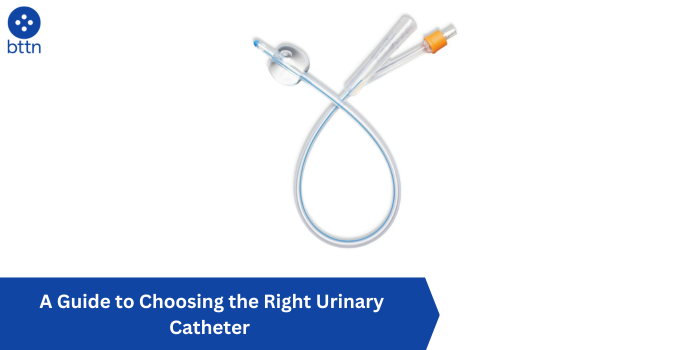
For many individuals facing urinary issues, catheters become essential tools in managing their health and well-being. But with various types and features available, choosing the right one can feel overwhelming. This comprehensive guide aims to demystify the world of urinary catheters and empower you to make informed decisions alongside your healthcare provider.
Must Read: Essential PPE for Every First-Aid Kit: Be Prepared for Anything
Understanding Catheter Types:
- Foley Catheter: This indwelling catheter, featuring a balloon at the tip for secure bladder positioning, is ideal for long-term use in bedridden or immobile individuals.
- Intermittent Catheter: Used for self-catheterization, this catheter is inserted and removed regularly, promoting bladder muscle function and reducing infection risk.
- Suprapubic Catheter: Inserted directly into the bladder through the abdominal wall, this option is suitable for long-term use in individuals with urethral strictures or recurrent urinary tract infections.
Must Read: Best Selling Powder Free Sterile Gloves (2025)
Choosing the Right Size:
Catheter size is measured in French units (Fr), with larger numbers indicating a wider diameter. Selecting the appropriate size is vital for comfort and preventing tissue damage. Generally:
- Males: 14-16 Fr
- Females: 10-12 Fr
- Children: 6-10 Fr
However, individual anatomy and underlying conditions may necessitate different sizes. Consult your healthcare provider for a precise measurement.
Must Read: What are Urinal Drain Bags? Benefits, How to Use, and Applications
Material Matters:
Catheter materials impact comfort, durability, and infection risk. Common options include:
- Silicone: Soft, flexible, and less irritating, but more expensive.
- Latex: Cost-effective, but can cause allergic reactions in some individuals.
- PVC: Rigid and durable, but less comfortable and prone to encrustation.
Silicone-coated catheters offer a balance between comfort and affordability.
Must Read: Infection Control: The Ultimate Guide to Preventing Infections
Additional Features:
- Hydrophilic Coating: This coating lubricates the catheter for easier insertion and reduces friction, minimizing discomfort.
- Antimicrobial Coating: Can help prevent bacterial growth and reduce the risk of urinary tract infections.
- Balloon Features: Some Foley catheters have a silicone balloon for improved comfort and secure positioning.
Must Read: IV Infections: Understanding the Risks, Signs, and Prevention
Beyond the Basics: Considerations for Specific Needs
- Neurogenic Bladder: Look for catheters with features like a coude tip (curved) for easier insertion in males or a pre-lubricated option for individuals with limited dexterity.
- Spinal Cord Injury: Choose a catheter with a self-adhesive drainage bag for increased independence and mobility.
- Multiple Sclerosis: Opt for a catheter with a larger lumen (opening) for easier drainage and reduced risk of blockage.
Putting it All Together:
Choosing a urinary catheter is a collaborative process between you and your healthcare provider. Discuss your specific needs, preferences, and underlying conditions to determine the most suitable option. Remember, comfort and prevention of complications are paramount.
Must Read: IV Flush Syringe: Uses, Risks, Recalls, and Settlements
Additional Tips:
- Practice makes perfect: If using an intermittent catheter, request training from a healthcare professional to ensure proper insertion technique.
- Hygiene is key: Maintain proper hygiene practices to reduce the risk of infection.
- Listen to your body: Pay attention to any discomfort or unusual symptoms and report them to your healthcare provider promptly.
Living with a urinary catheter doesn't have to be limiting. By understanding your options, choosing the right type, and maintaining proper care, you can ensure comfort, independence, and optimal well-being.