Whether you're a seasoned outdoorsman or a klutzy home chef, chances are you'll encounter a minor wound at some point. While most cuts and scrapes heal on their own, proper wound care is crucial to prevent infection and promote faster healing. A key player in this process? Wound dressings. But with an array of options available, choosing the right dressing and using it effectively can be confusing. Fear not! This comprehensive guide will equip you with the knowledge and confidence to navigate the world of wound care dressings.
Explore and buy: Wound Dressings
Understanding Wound Dressings: Different Types, Different Needs
Wound dressings come in various forms, each suited for specific wound characteristics and healing stages. Here's a breakdown of the common types:
- Gauze bandages: These classic dressings are breathable and absorbent, ideal for minor cuts, scrapes, and burns. However, they require frequent changes and may stick to the wound.
- Adhesive bandages: Convenient and self-adhesive, these are perfect for small, clean wounds. Choose waterproof options for wet environments.
- Hydrocolloid bandages: These create a moist wound environment, promoting healing and reducing pain. They're suitable for minor to moderate wounds like cuts, scrapes, and minor burns.
- Alginate dressings: Highly absorbent, these conform to the wound bed and help remove dead tissue. They're ideal for moderate to severe wounds like diabetic ulcers and pressure sores.
- Foam dressings: Soft and cushioning, these protect the wound from friction and absorb moderate amounts of drainage. They're well-suited for moderate to severe wounds.
Must Read: 10 Best-Selling Gauze Sponges in the US
Choosing the Right Dressing: Consider the Wound and Your Needs
The ideal dressing depends on several factors:
- Wound type and severity: Minor cuts might only need a simple gauze bandage, while deeper wounds require more absorbent or specialized dressings.
- Wound drainage: For heavily draining wounds, alginate or foam dressings are better choices.
- Pain level: Hydrocolloid dressings can help reduce pain, while gauze might irritate sensitive wounds.
- Activity level: Choose a secure dressing that won't budge with movement.
- Skin sensitivity: Opt for hypoallergenic materials if you have sensitive skin.
Must Read: Heart Failure in Young Adults: A Growing Concern All Over the World
Dressing Application: A Step-by-Step Guide
- Cleanse: Wash your hands thoroughly with soap and water. Clean the wound gently with sterile saline or mild soap, removing any dirt or debris.
- Pat dry: Use sterile gauze to gently pat the wound dry. Avoid rubbing, which can irritate the wound.
- Apply the dressing: Choose a dressing that covers the entire wound and extends slightly beyond the edges. Avoid touching the sterile part of the dressing with your bare hands.
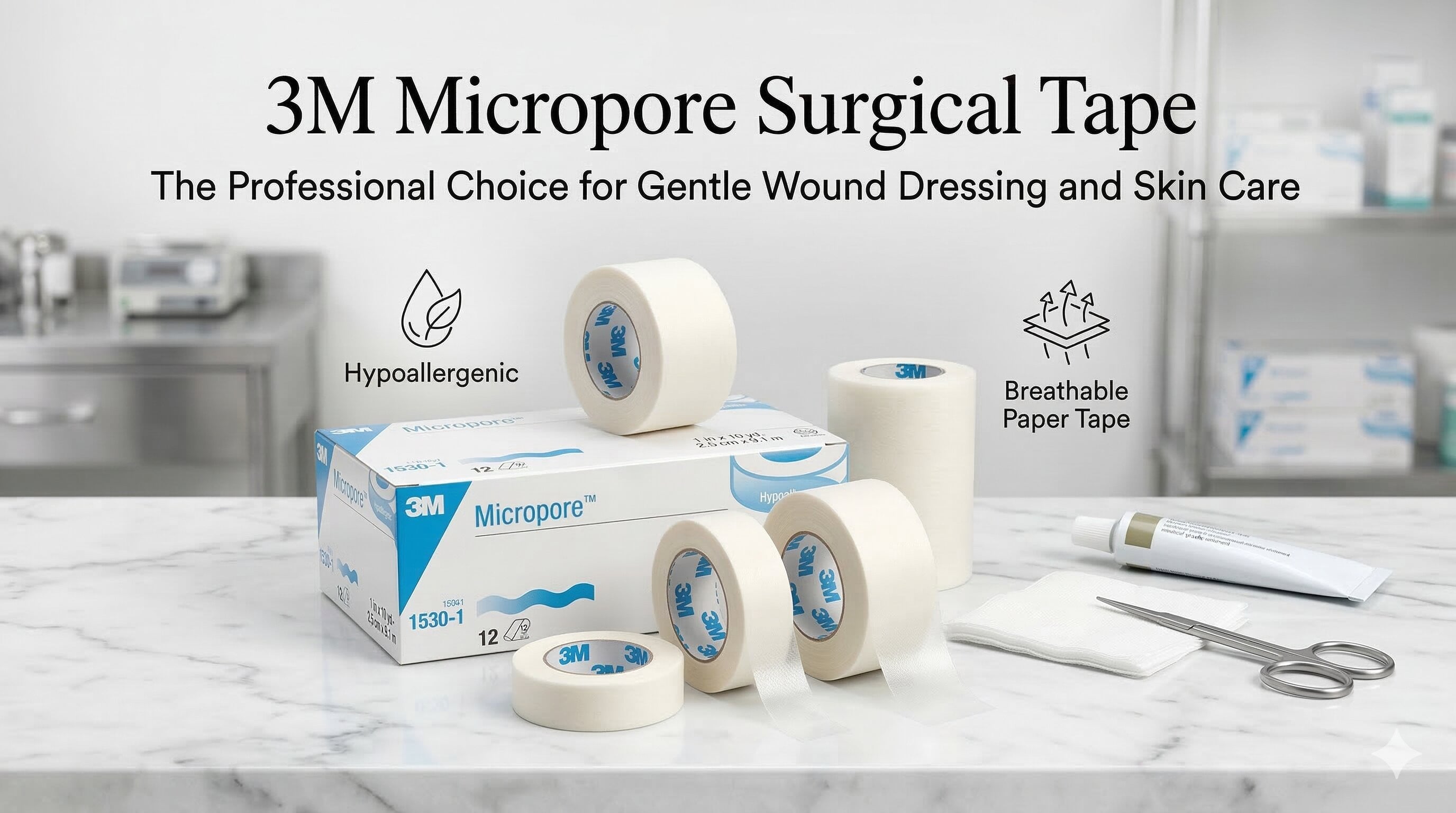
- Secure the dressing: Use adhesive tape or bandages to secure the dressing firmly without constricting blood flow.
- Monitor and change: Regularly check the dressing for signs of wear, leakage, or infection. Change the dressing as needed, usually daily for most wounds.
Must Read: How to Stop Bleeding: From Cuts, Wounds, and More
Pro-Tips for Optimal Wound Healing:
- Keep it clean: Wash your hands before and after changing the dressing to prevent infection.
- Mind the moisture: Choose dressings that maintain a moist wound environment for optimal healing.
- Beware of infection: Watch for signs like redness, swelling, pus, or increasing pain, which could indicate infection. Seek medical attention promptly if you suspect infection.
- Listen to your body: If the dressing causes discomfort or seems ineffective, consult your doctor or pharmacist for guidance.
Remember: This blog is for informational purposes only and does not substitute for professional medical advice. Always consult your healthcare provider for personalized wound care recommendations.
By understanding different wound dressings and following proper application techniques, you can empower yourself to promote faster healing and minimize complications. With the right knowledge and care, you can ensure your wounds heal optimally, leaving you scar-free and ready to take on the day!